
Dental instruments and consumables are divided into one of three categories: critical, semi critical and non-critical. The definitions of each category can be found below and are sourced from the Australian Dental Association’s Guidelines for Infection Prevention and Control 5th Edition (2024):
CRITICAL INSTRUMENTS:
CRITICAL INSTRUMENTS
These enter or penetrate sterile tissue, a sterile cavity or the bloodstream (e.g. surgical dental procedures such surgical removal of teeth where a flap is raised, placing implants, and raising a mucoperiosteal flap as part of periodontal or endodontic surgery). All RMDs (reusable medical devices) that come into contact with sterile body cavities or are used on the critical aseptic field during invasive procedures shall be considered critical medical devices and reprocessed to the highest level they can tolerate (AS/NZ 5369, p. 38). Examples of critical RMDs: dental forceps and elevators, flap retractors and surgical burs, instruments used in the placement of implants, implantable items including mini-implants, and surgical dental handpieces.
- These RMDs must be sterile at the time of use and must be either ‘single-use disposable’ or capable of being sterilised.
- Critical RMDs must be cleaned to remove soil and organic material as soon as possible after use, packaged, and then sterilised using moist steam between individual patient uses. Low temperature hydrogen peroxide gas plasma sterilisation may be used to sterilise RMDs that are heat sensitive.
- Careful inspection is needed after cleaning to ensure that critical RMDs are clean, free of corrosion and damage, and fit for reuse.
- Critical RMDs must have batch control identification recorded on the sterile barrier system (SBS) to allow tracking, which is recorded in the patient’s treatment notes.
- Any critical RMDs stored in SBS that are found to be damaged or exposed to environmental contamination must be re-sterilised before use. When used for subgingival debridement, scalers remove the crevicular epithelium and enter the tissue, as is evidenced by bleeding during the procedure from the base of the pocket. This is why scalers (hand scalers, curettes and ultrasonic scaler tips) used for subgingival periodontal debridement are classed as critical RMDs.
- Packages are to be stored to prevent environmental contamination, in a dedicated and designated storage space. The storage space must be clean and dry, and not at risk of splash contamination. This can be achieved by keeping them in closed drawers or cupboards.
- There are no alternatives to maintaining critical RMDs in packages with an intact SBS. There is only one clinical situation where a critical RMD that is not in an SBS could arise – the situation of a dropped RMD with no replacement, where ‘flash’ steam sterilisation is used. The RMD can only be used in patient care immediately after steam sterilisation has occurred. There are multiple risks with this, including contamination from the air and the general environment during transfer from the steriliser chamber to the aseptic field, burns to staff and patients from very hot instruments, and a risk that BCI may not be recorded.
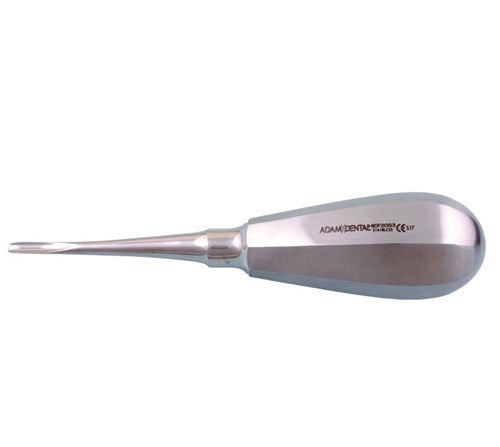
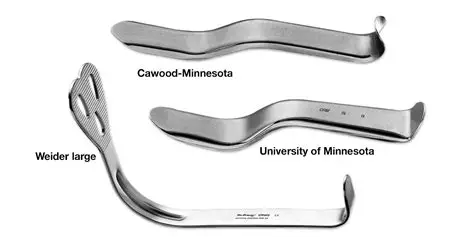
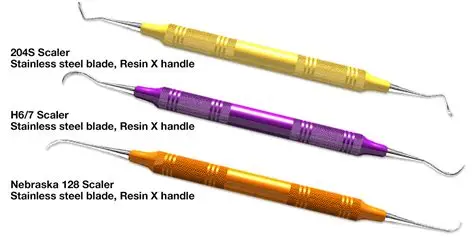
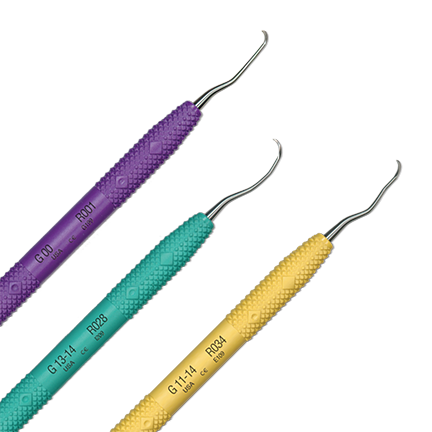
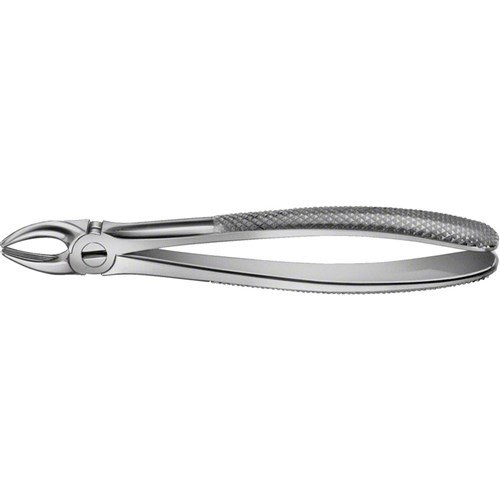
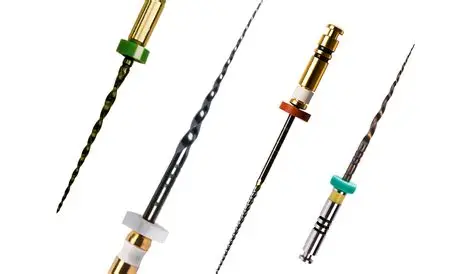
Clockwise from top left: surgical elevator; surgical tissue retractor; hand scalers; rotary endodontic files; surgical forceps; periodontal curettes.
SEMI CRITICAL INSTRUMENTS:
SEMI CRITICAL INSTRUMENTS
These come into contact with intact mucosa, or non-intact skin. Examples of semi-critical RMDs: mouth mirrors, restorative instruments, dental tweezers and probes, metal impression trays.
- These RMDs must be cleaned to remove soil and organic
material as soon as possible after use, following the
manufacturer’s advice for reprocessing. - They are to be sterilised using steam.
- Careful inspection is needed after cleaning to ensure that these semi-critical RMDs are clean, free of corrosion and damage, and fit for reuse.
- At Dental Boutique, we treat semi critical instruments in the same manner as critical instruments. That is, they are bagged or wrapped prior to sterilisation and stay in their bags/wraps until point of use. They are also tracked using BCI, and this information is entered into patient files at the time of treatment. Packages are to be stored to prevent environmental contamination, in a dedicated and designated storage space. The storage space must be clean and dry, and not at risk of splash contamination. This can be achieved by keeping them in closed drawers or cupboards.
- Utilising a SBS and BCI for semi critical instruments also allows identification in the event a recall of RMDs is required (AS 5369:2023, p. 85). In some rare instances, RMDs that may contact mucosa are covered with a disposable barrier (e.g. curing light tip), in line with the manufacturer’s instructions. In this event, the RMD still needs to undergo cleaning, followed by disinfection or sterilisation, as appropriate (based on the manufacturer’s instructions), between uses, despite the use of a single-use sheath/sleeve/protective barrier. In other words, using a protective barrier on an item that enters the mouth is not a substitute for reprocessing.
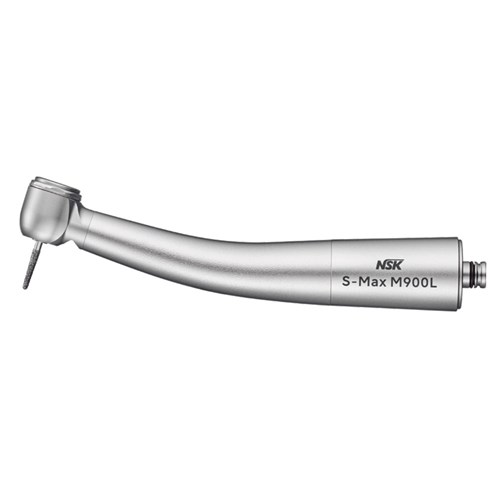
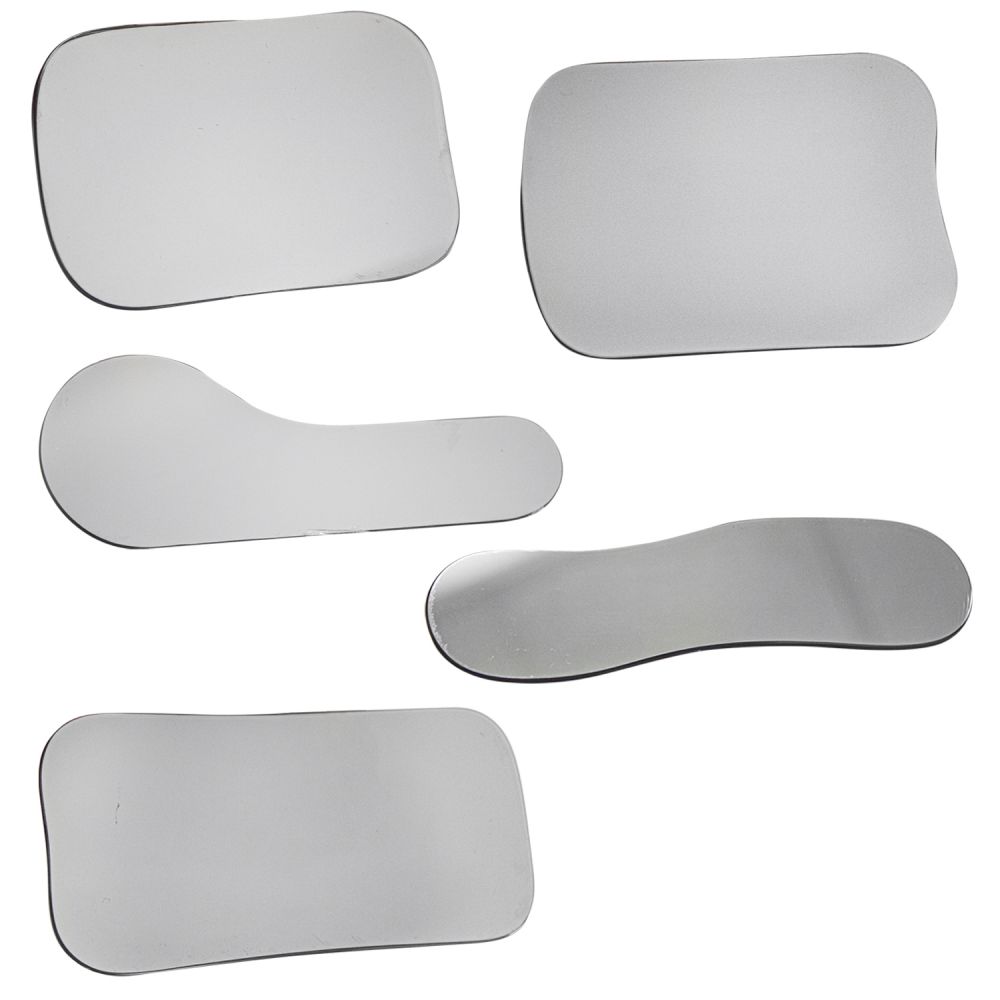
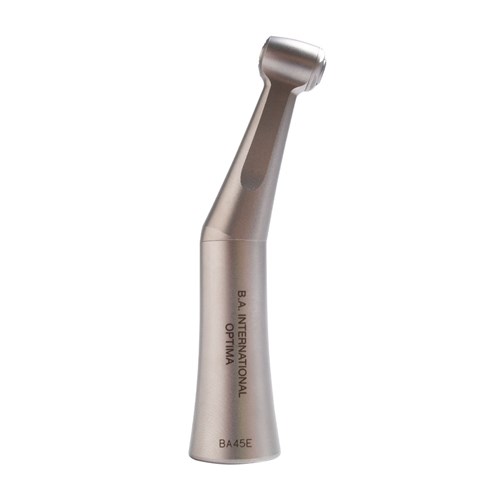
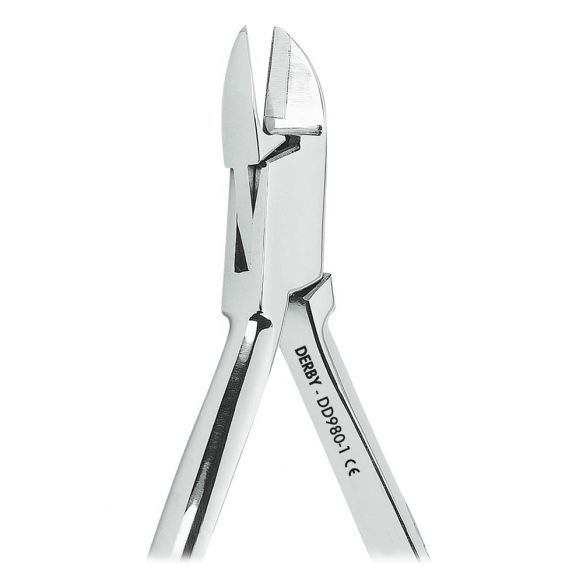
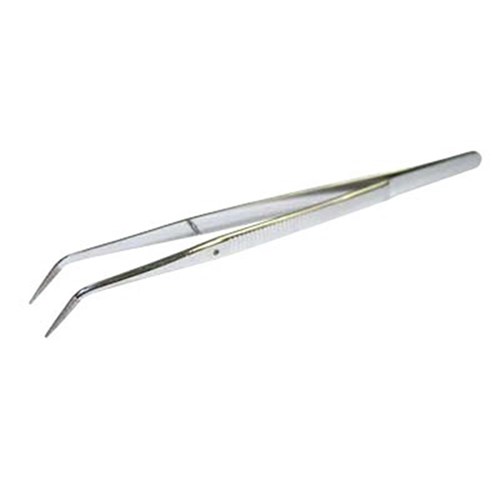
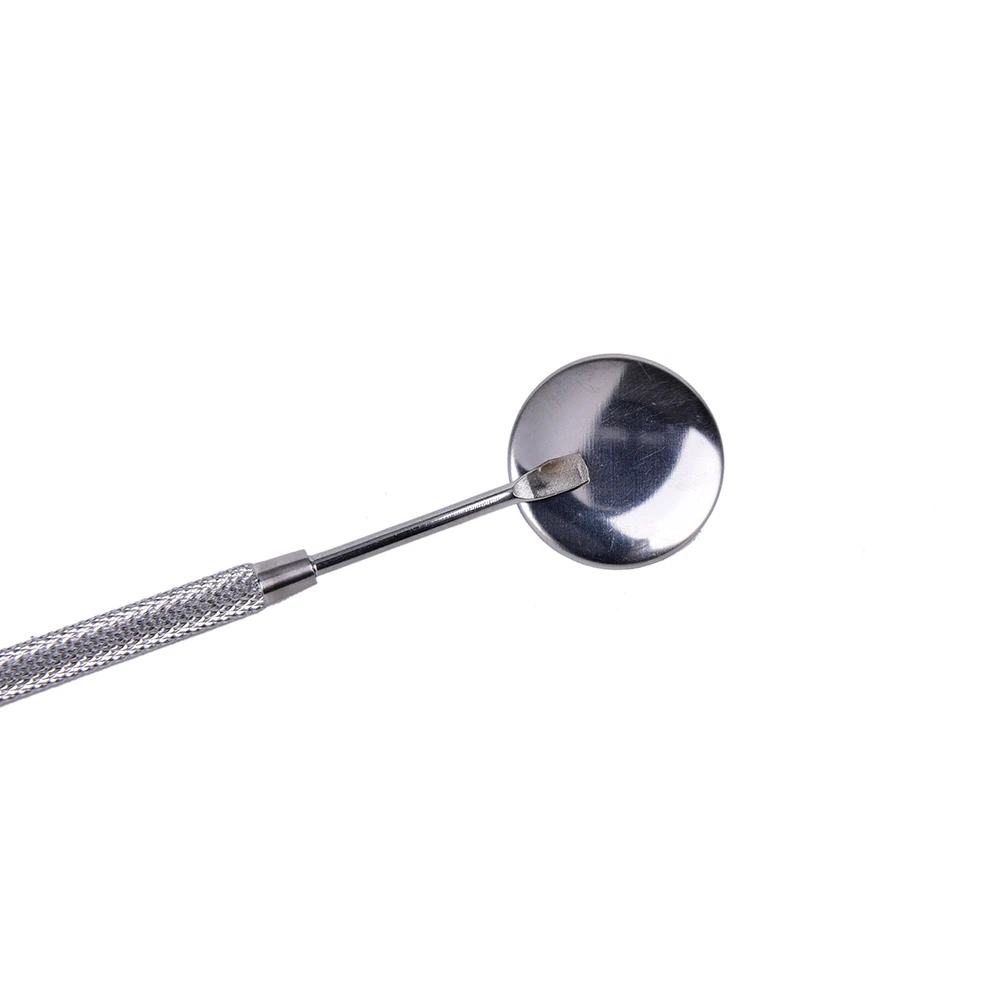
Clockwise from top left: highspeed handpiece; intraoral mirrors; slowspeed handpiece; dental mirror; dental tweezers; orthodontic wire cutters.
NON-CRITICAL INSTRUMENTS:
NON-CRITICAL INSTRUMENTS
These come into contact with intact skin (lowest risk). Examples: protective eyewear, reusable bib chains. These RMDs must be cleaned to remove soil and organic material as soon as possible after use. Careful inspection is needed after cleaning to ensure that these non-critical RMDs are clean, free of corrosion and damage, and fit for reuse. Generally, cleaning alone with detergent and water is sufficient, but in some cases, thermal disinfection (e.g. using a washer-disinfector with a thermal disinfection cycle) or suitable low-level or intermediate level instrument-grade disinfection will be needed, in line with the manufacturer’s instructions. After processing, non-critical RMDs are to be stored in the same way as semi-critical RMDs, i.e. stored in designated areas that are clean and dry, and not prone to splashes of fluids or splatter from clinical procedures, to prevent contamination prior to use. It is necessary/clean to wipe these items at the point of use, rather than bring them to steri, as exposing them to the contaminated side of steri without sterilising them or processing them through a thermal washer disinfector will render them more highly contaminated.
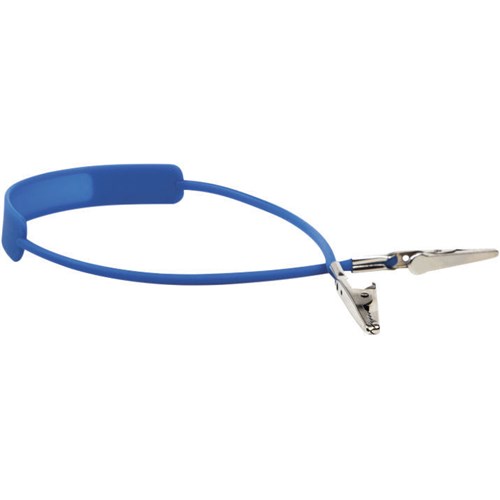
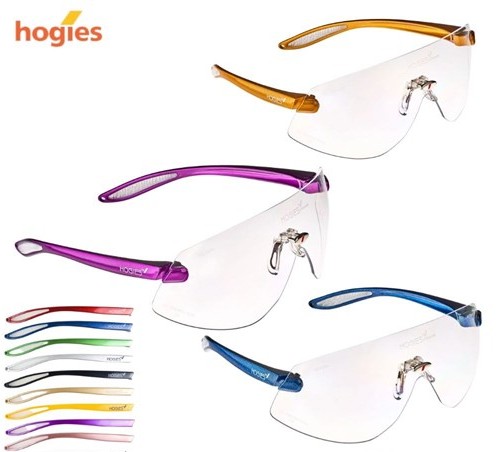
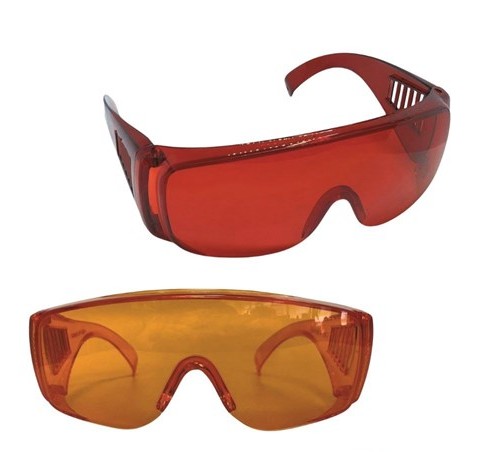
Left to right: bib chain; protective eyewear (clear); protective eyewear (light filtering).